Article: A Simple Way I Think About Feeding My Kids
A Simple Way I Think About Feeding My Kids
A biology first approach to growth, mood, and stable energy
My kid used to eat breakfast and be asking for snacks 45 minutes later. Because what he was eating wasn't actually doing the job. That's a blood sugar problem, not a hunger problem. And once I understood that, feeding him got a lot simpler.
There's so much noise about what kids should eat. But the more I've learned about biology, the more I've realized kids actually do best with something much simpler. Predictable, nourishing meals built around foods the body actually knows how to use.
Their nervous systems, blood sugar, and growing brains thrive on consistency. This is the lens I use when building plates for my kids. Not perfection. Not strict rules. Just supporting their biology.
Kids Aren't Just Small Adults
Kids are growing fast. Their bodies are doing a lot behind the scenes. Building tissue. Developing their brains. Learning their hunger and fullness cues. And regulating emotions through blood sugar.
When meals are mostly snacks, low in protein, or built around ultra-processed foods, you often see it pretty quickly. The mood swings. The constant grazing. The energy crash after lunch followed by a meltdown at 3pm. The kid who can't sit still or focus. That's not a behavior problem. That's a nutrition problem.
What "Animal Based" Means in Our House
When I say we eat animal based, I'm not talking about strict rules. It doesn't mean no plants. It doesn't mean forcing kids to eat things they hate. And it definitely doesn't mean perfection.
For me it simply means the foods that support growth and stability come first. Enough protein. Healthy fats. Simple carbohydrates from real sources. Fruit, potatoes, rice, and simple plants can absolutely be part of the plate. Treats happen too. But the foundation is what matters most.
The Three Things I Always Build a Kids Plate Around
I don't follow complicated meal plans. I just keep a few simple priorities in mind.
1. Protein Comes First
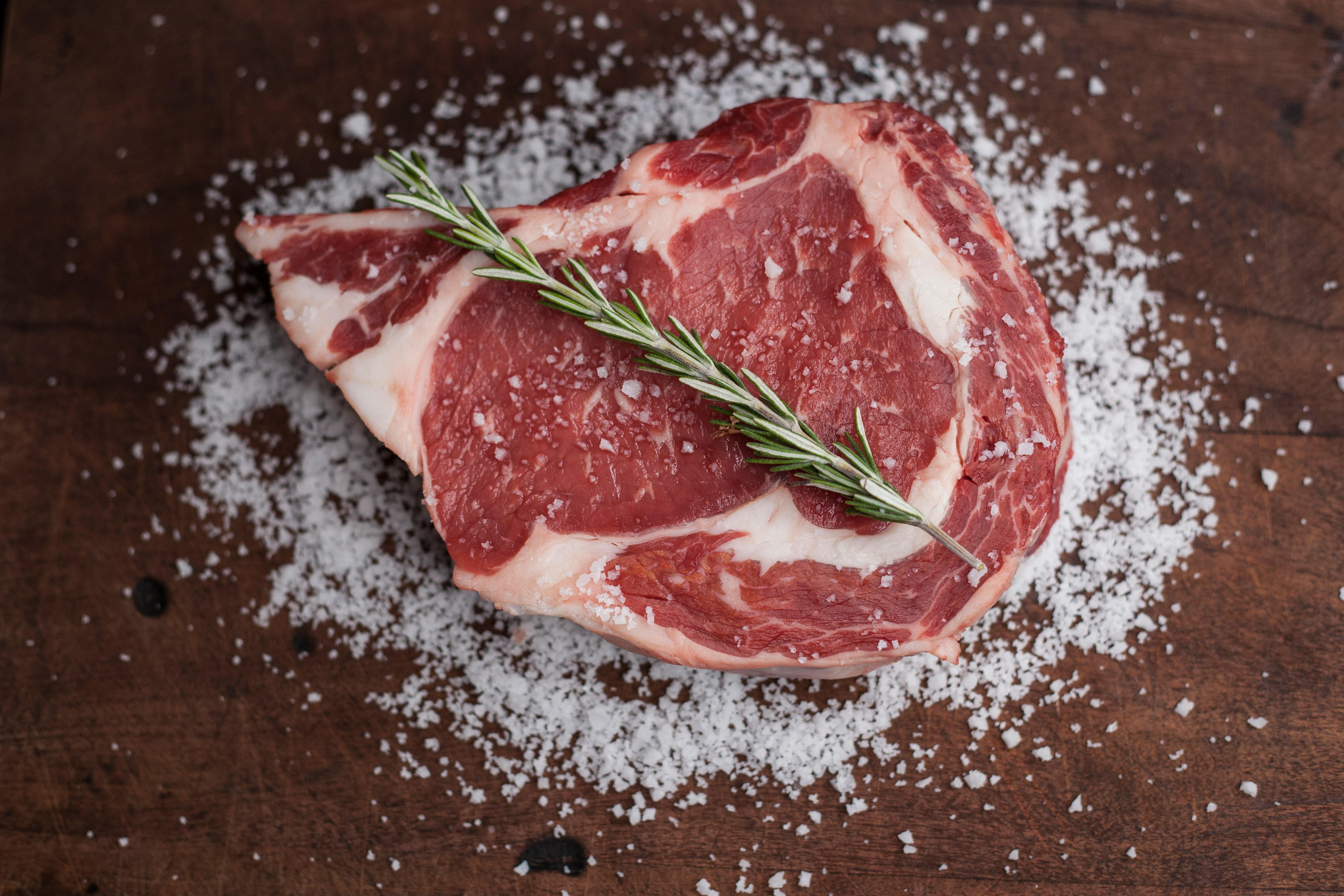
Protein is the anchor of the meal. It supports growth, stable blood sugar, focus, and appetite regulation. When protein is missing or too low, kids end up hungry again an hour later and spend the rest of the afternoon grazing. A solid protein source at every meal changes everything.
2. Fat Is Not the Enemy
Kids need fat. Full stop. It supports brain development, nervous system regulation, hormones, and stable energy. Low fat meals leave kids hungry and restless. Butter, cheese, egg yolks, fatty cuts of meat, avocado. These aren't indulgences. They're biology.
3. Carbohydrates Work Best With Protein and Fat
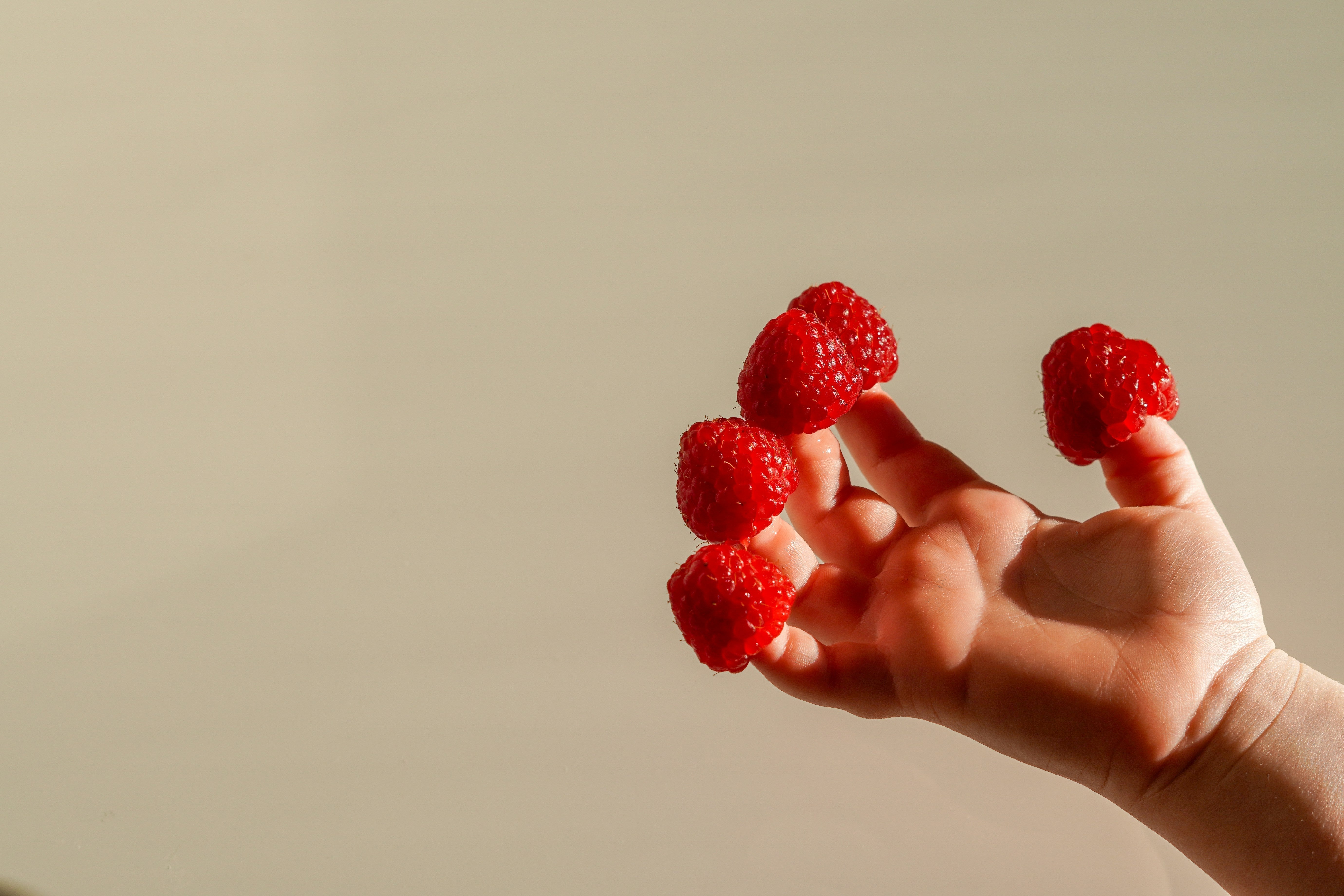
Carbohydrates are great for energy, but they work much better when paired with protein and fat. This is what prevents the blood sugar spikes and crashes that show up as meltdowns, constant hunger, and mood swings. Fruit, potatoes, and rice work beautifully here. Just don't serve them alone.
What a Simple Plate Looks Like
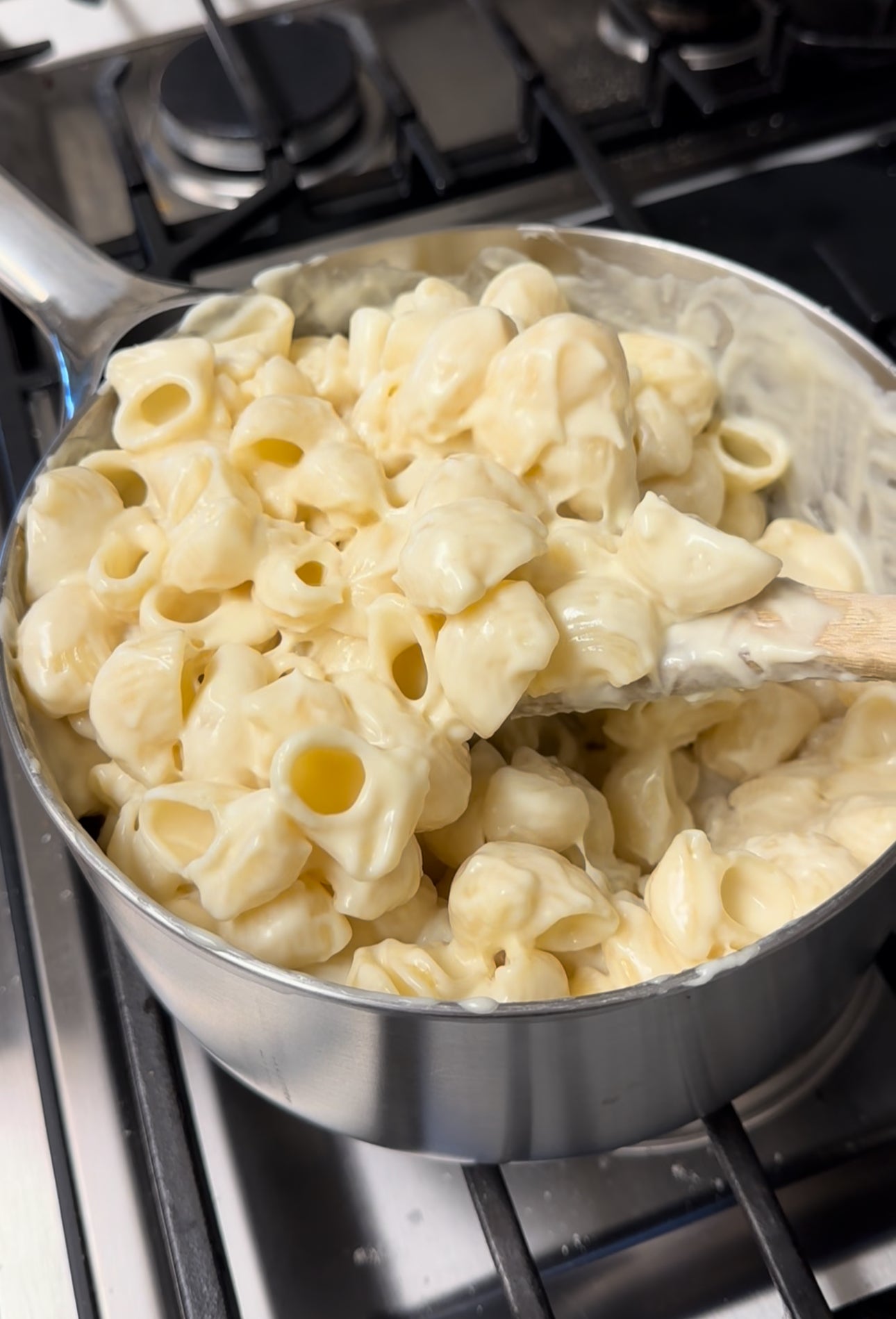
There's no strict formula. Just a simple structure. Most of our meals look something like this: a protein (meat, eggs, fish), a fat (butter, cheese, avocado), a carbohydrate (fruit, potatoes, rice), and sometimes a simple plant food on the side. And honestly, we repeat meals a lot. That's intentional.
Why I Don't Stress About Variety
Adults tend to crave novelty with food. Kids usually want familiarity. Repeating meals actually makes things easier. It helps regulate appetite, reduce food battles, create trust around meals, and support digestion. Variety can expand slowly over time. It doesn't have to change every single day, and pushing it too fast often backfires.
Why This Matters Long Term
When kids consistently get the nutrients their bodies need, a lot of systems work better. Blood sugar is more stable. Hormone signaling is supported. Digestion works more smoothly. Inflammation tends to stay lower. And here's the part I think about a lot as someone who works in skin health: the food foundations built in childhood shape metabolism, resilience, and yes, even skin health later in life. What we feed our kids now is an investment in who they become.
The Big Picture
Feeding kids doesn't have to be perfect. They don't need complicated meals or constant novelty. They just need reliable nourishment. When we focus on supporting biology first, a lot of the stress around food starts to disappear. And the kids? They thrive.