Article: Barrier Repair 101: Why Your Skin's Biology Is the Foundation of Everything
Barrier Repair 101: Why Your Skin's Biology Is the Foundation of Everything
Introduction
Your skin is not a problem to be fixed. It's a living system and when it's struggling, the answer isn't more products. It's understanding the biology underneath.
The skin barrier is your body's first line of defense. When it's intact, skin stays hydrated, calm, and resilient. When it's compromised, everything else falls apart: sensitivity spikes, breakouts increase, and even the best serums can't penetrate effectively. Barrier repair isn't a trend. It's the foundation.
What Is the Skin Barrier?
The skin barrier, technically called the stratum corneum, is the outermost layer of your skin. Think of it as a brick wall: skin cells (the bricks) held together by lipids like ceramides, fatty acids, and cholesterol (the mortar).
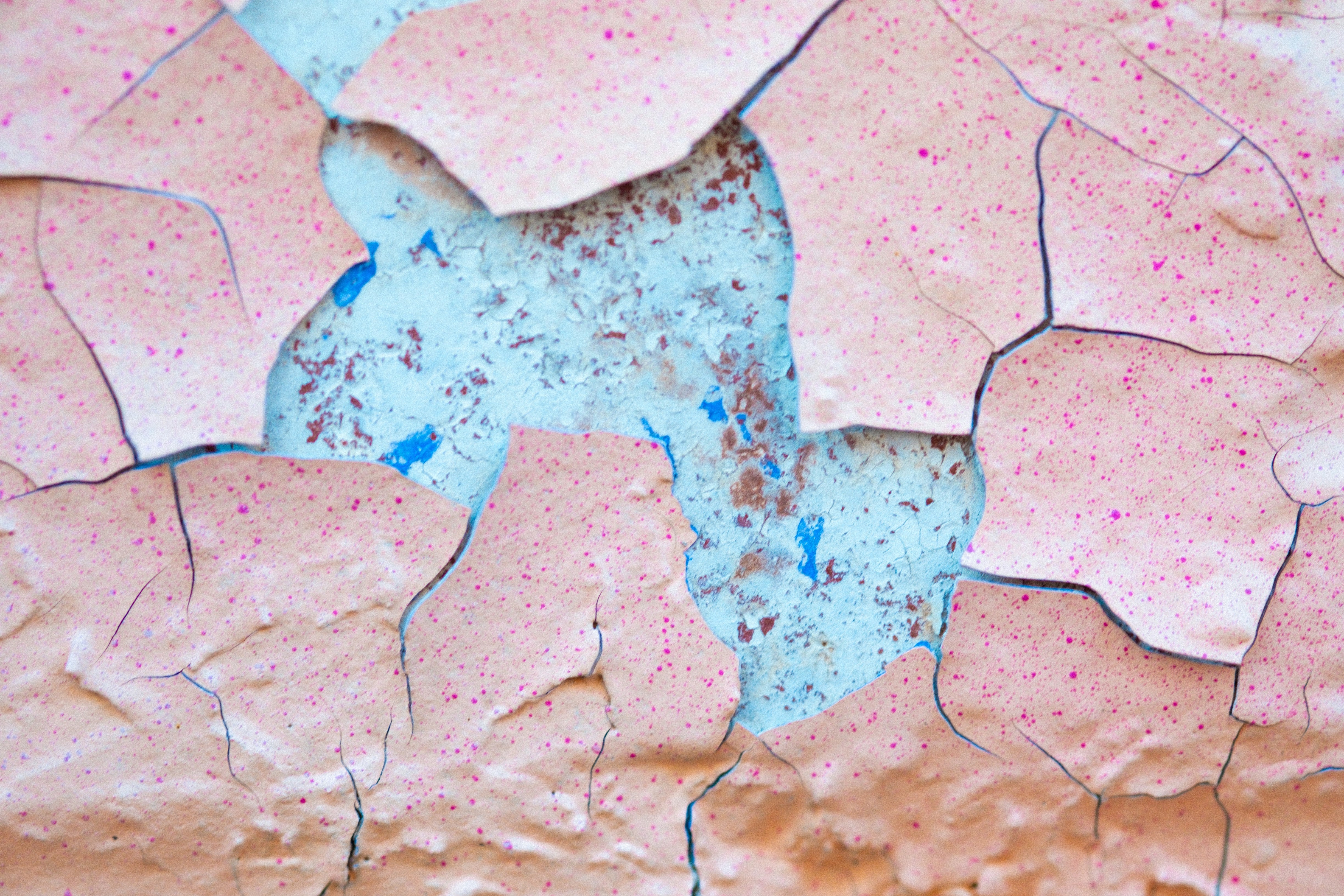
When that mortar breaks down, the wall develops gaps. Moisture escapes. Irritants get in. Inflammation follows.
Common signs of a compromised barrier include tightness or flaking after cleansing, redness or stinging from products that used to work, breakouts in areas that aren't typically acne prone, and dullness that doesn't respond to exfoliation.
What Damages the Skin Barrier?
The list is longer than most people realize. Over-exfoliation from acids, scrubs, or retinoids used too aggressively is one of the most common culprits, alongside harsh cleansers that strip natural oils. Environmental stressors like UV, pollution, and dry air compound the damage over time. Chronic stress and poor sleep also play a role as cortisol actively degrades barrier lipids. And nutritional gaps, particularly in essential fatty acids and fat-soluble vitamins, quietly undermine barrier integrity from the inside out.
This is where biology-based skincare diverges from conventional approaches. Instead of layering on more actives, the goal is to restore the conditions your skin needs to repair itself.
How Biology-Based Skincare Supports Barrier Repair
Your skin already knows how to heal. It produces its own lipids, growth factors, and signaling molecules. The question is whether your skincare is supporting that process or working against it.
Nourish, don't strip.
Cleansing should remove what doesn't belong without disrupting what does. Lipid-rich, pH-balanced formulas preserve the acid mantle, the slightly acidic film that keeps bacteria out and moisture in. Cleanse Gentle Cleanser is formulated with exactly this in mind.
Use retinoids intelligently.
Retinaldehyde (retinal) is one of the most effective forms of vitamin A for skin renewal but it works best when the barrier is already supported. Unlike harsh retinol formulations, retinaldehyde converts to retinoic acid directly in the skin with less irritation, making it suitable even for sensitive or reactive skin types. Osmosis Calm Retinal Serum is built around this principle.
Support cellular communication.
Growth factors are proteins that signal skin cells to repair, renew, and produce collagen. As we age, growth factor activity declines, which is why targeted serums that support this signaling can make a meaningful difference in skin resilience over time. StemFactor Growth Factor Serum delivers this support at the cellular level.
Feed your skin from within.
Barrier lipids are built from what you eat. Omega-3s, fat-soluble vitamins (A, D, E, K), and adequate dietary fat are foundational. Skincare works best when it's supported by nutrition, not used as a substitute for it.
A Simple Barrier-First Routine
You don't need ten steps. You need the right steps, in the right order.
Start with a gentle cleanse to remove without stripping. Follow with StemFactor to signal repair at the cellular level. In the evening, apply Osmosis Calm Retinal Serum to support renewal without compromising barrier integrity. Seal everything in with Osmosis Quench Daily Moisturizer or Osmosis Nourish Avocado Facial Oil to reinforce lipid layers and lock in hydration. Finish your morning routine with SPF to protect the barrier you're rebuilding.
The Bottom Line
Barrier repair isn't a phase of skincare. It's the ongoing practice of working with your skin's biology rather than against it. When the foundation is strong, everything else works better: your actives penetrate, your skin responds, and results compound over time.
That's the Clear Skin Biology philosophy. Not more. Better.
Ready to build a barrier-first routine? Explore our biology-based serums.